Automated data extraction is the process of extracting, collecting or pulling data from different sources without using someone’s hands. This means it saves time and money on labor, reduces errors, and is suitable for firms dealing with lots of information.
It is implemented in many sectors to scrape structured or unstructured data from websites, documents, databases, and application programming interfaces. Automated systems handle data rapidly and may consist of tools such as data cleaning and formatting and this forms the basis of analysis and decision making.
How Does Automated Data Extraction Operate?
Automated data extraction does not require prior configuration of algorithms or AI models; they follow a predetermined set of rules tailored for data processing. Automation leverages specific data extraction methods/techniques to streamline the data extraction process. The process typically involves:
- Identifying the Data Source It can be a website, or a PDF, or a database, or an API.
- Data Retrieval The tool can obtain raw data by either scraping the web, OCR, or by using API’s.
- Data Structuring The raw data is preprocessed where the data is cleaned, formatted, and structured for easy use in formats such as spreadsheets or databases.
Advantages of Automated Data Extraction
- Efficiency It is possible to analyze large amounts of information for several minutes and, therefore, save time and effort.
- Accuracy Eliminates human error as the process of collecting and processing data must follow a certain format.
- Scalability Copes with larger amounts of data without requiring extra resources.
- Cost Savings Saves time and time of the workers through minimizing the number of activities that require human input.
- Real-Time Updates Extract data and make updates either in real-time or at a user’s request.
For instance, it is possible to have companies like InfobelPro that use the process of automated data extraction as a tool to fetch and supply good business data and Point of Interest (POI) data to the client.
Examples of Automated Data Extraction
This section presents several examples of automated data extraction.
- Business Data Collection Using APIs or applications, business data such as company names, addresses, phone numbers, emails, revenues and more can be extracted into other layouts such as Ms Excel or CSV formats for marketing, lead generation, analysis, CRM enrichment and more.
- Invoice Processing Software with OCR functionalities can capture all the details of invoices and enter vendors’ names, amounts, and dates into accounting software.
- Web Scraping for E-commerce Analyzing the market information retailers employ automatic systems to track the price level and other parameters of competitors’ products and customers’ reviews.
- Financial Data Extraction Banking and other financial industries apply robotics to extract data from Transactions and feed it into reporting technologies for processing.
- Real-time POI updates Geolocation services use automated means to collect and update information about businesses, points of interest and transit points for navigation software. Such data can be obtained through location APIs, for example.
4 Examples of Automated Data Extraction Providers
InfobelPro
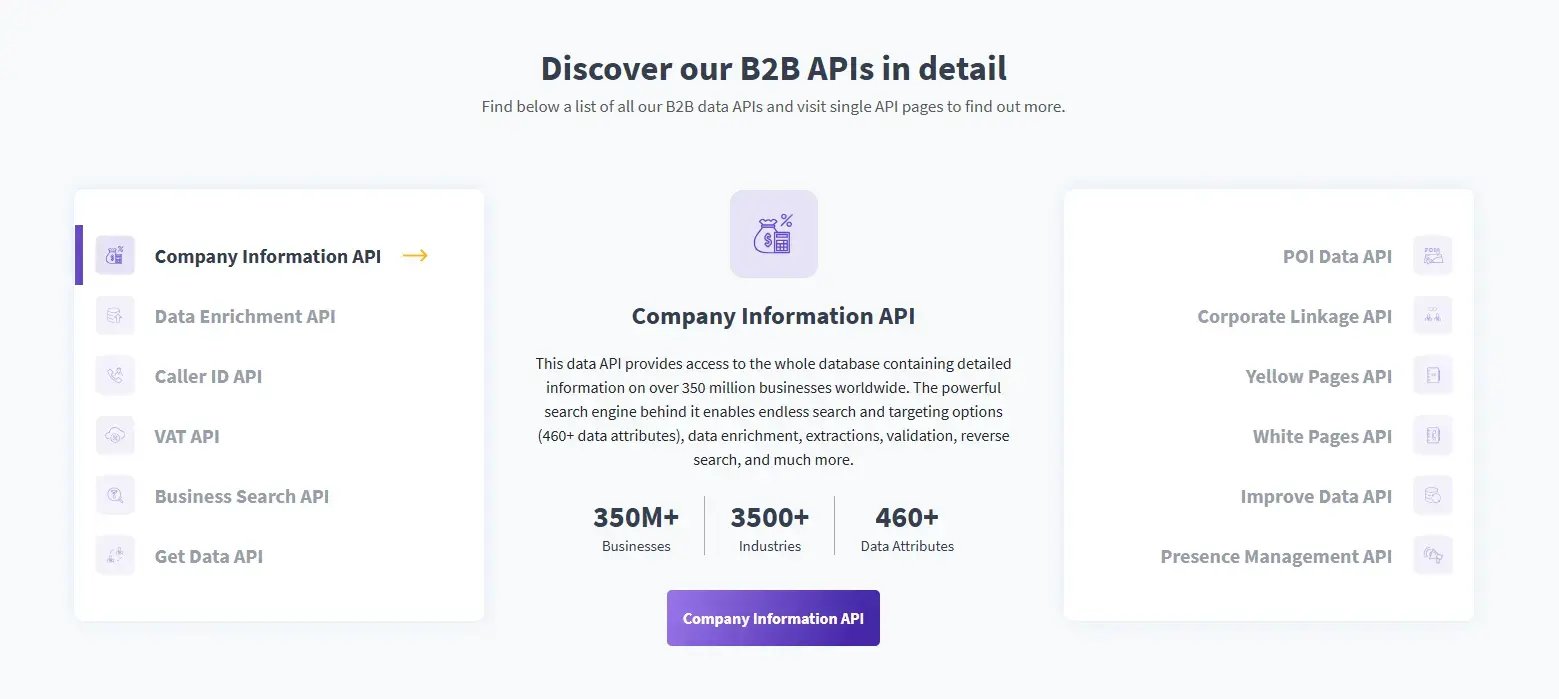
Focusing on business data and global points of interest, InfobelPro provides clients with the automated tools for accurate and efficient data gathering, cleaning, and further structuring.
Docsumo
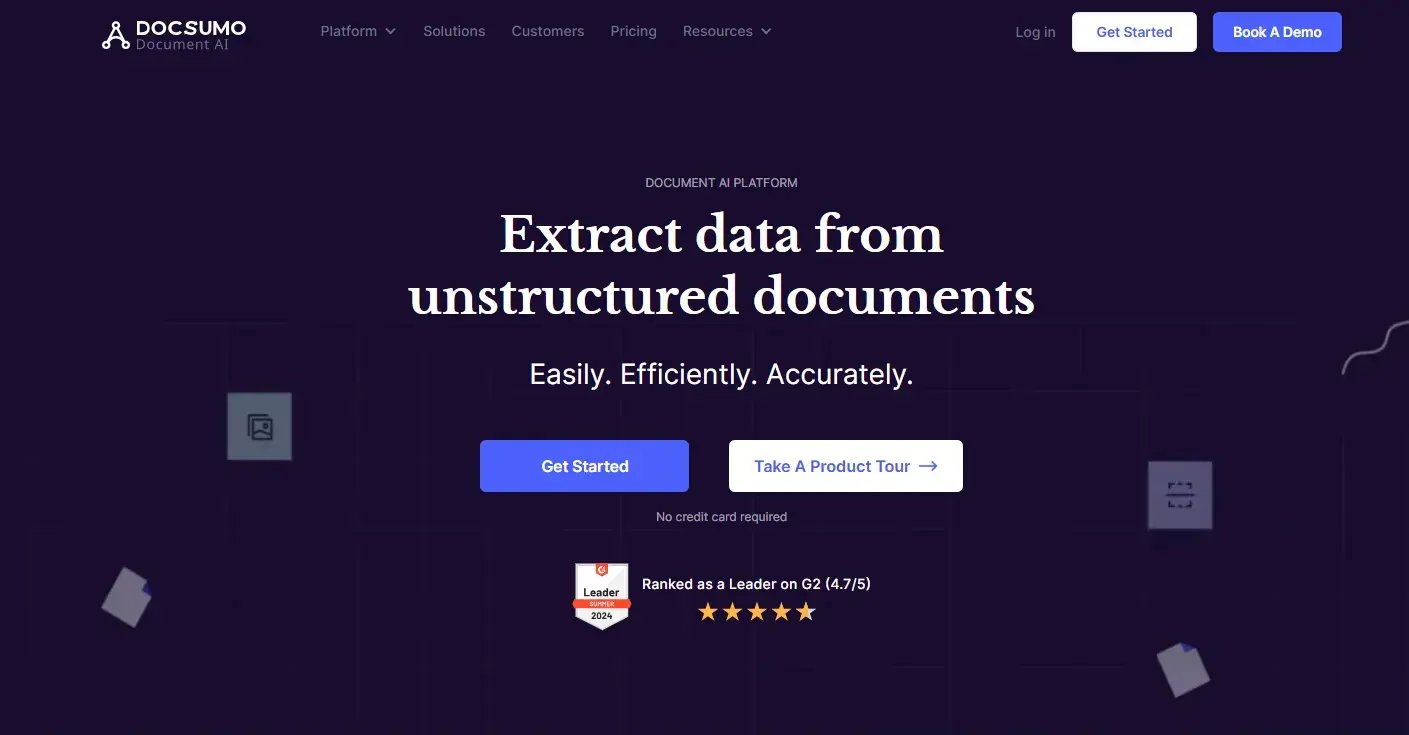
Uses artificial intelligence to change documents such as invoices, receipts, and contracts into data.
DataHen
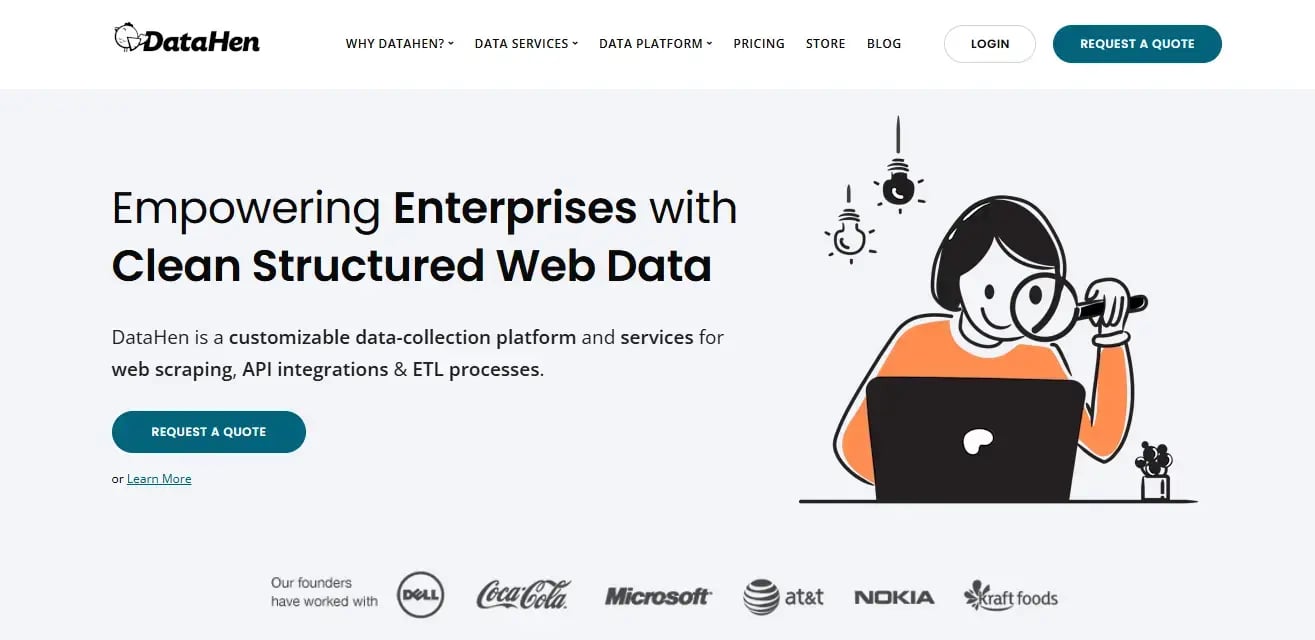
A business that specializes in web scraping and provides services to gather and extract big data from websites.
Zapier
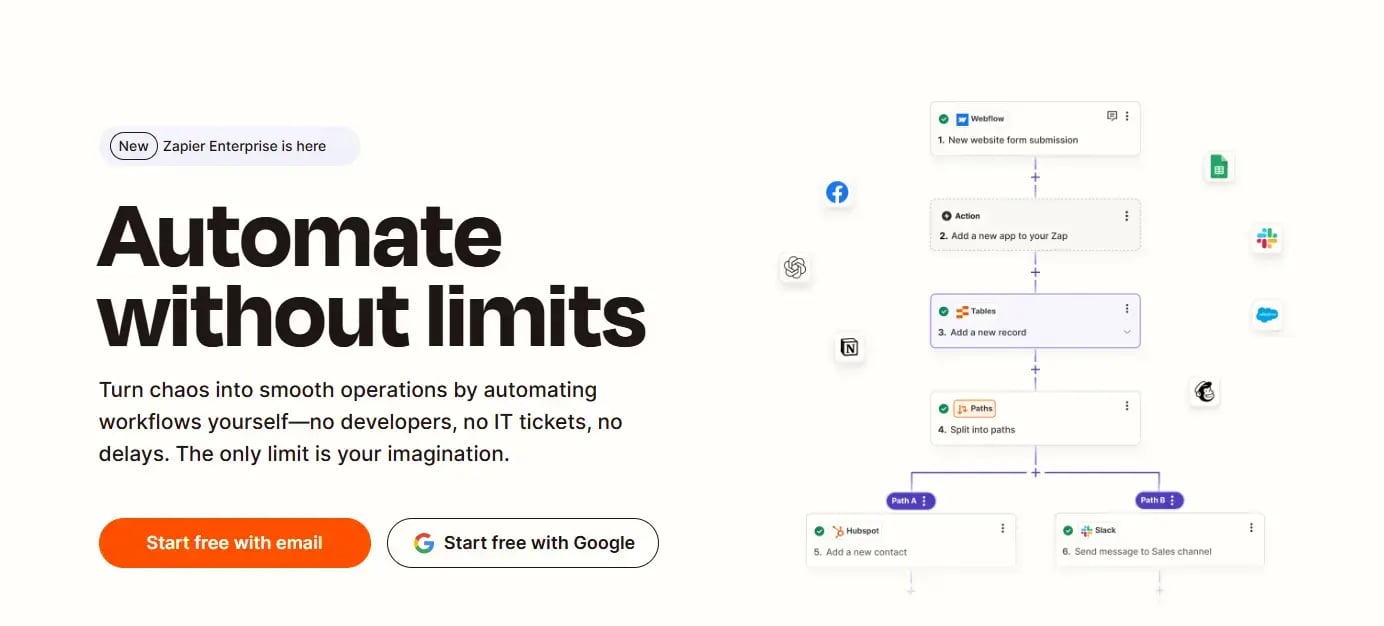
Regards data extraction from APIs and other applications, and puts them into others such as CRMs or an analytics tool.
Difficulties in Automated Data Acquisition
Challenges in automated data extraction are as follows:
- Unstructured Data: There are challenges in trying to get useful information from unorganized sources such as writing on paper, images, or drawings.
- **Data Quality:**Validating extracted data means that tools and processes used have to be rock solid for clean data.
- Dynamic Web Pages: There are always peculiarities that can be encountered when scraping websites with JavaScript or AJAX components.
- Regulations: The GDPR acts as a primary legal requirement to ensure organizations do not fall afoul of data privacy laws.
Conclusion
The application of Automated data extraction is a revolution for business because it helps companies gather, process, and analyze information much faster and more effectively. Using tools such as InfobelPro or Artificial Intelligence solutions, companies can improve their processes, make better decisions, and thus compete in the modern world of data.